WALTHERS 932-10123 Soo Line Paired Window Coach Ho Scale Interior
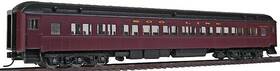
( Brand: Walthers ), ( Manufacturer Part Number: 932-10123 ), ( Assembly Status: Ready To Go/pre-built ), ( Color: Multicolor ), ( Replica Of: Heavyweight ), ( Material: Plastic ), ( Grade: C-10 Mint-brand New ), ( Year Manufactured: 2010 ), ( Control System: Dc / Dcc ), ( Age Level: 17 Years Up ), ( Franchise: Pullman Heavyweight ), ( Gauge: Ho ), ( Vintage: Yes ), ( Type: Passenger Car ), ( Rail System: Two-rail System ), ( Corporate Roadname: Soo Line ), ( Theme: Railroading ), ( Features: Limited Edition, Painted, Interior Seats ), ( Time Period Manufactured: 2000-2009 ), ( Country/region Of Manufacture: China )
Review WALTHERS Soo Line Heavyweight Paired Window Coach Ho Scale Interior New Rare
The Walthers 932-10123 SOO Line Paired Window Coach HO Scale Interior model is an exquisite addition to any HO scale railroad layout. This coach boasts a historically accurate design, meticulously crafted to replicate the iconic SOO Line paired window coaches that were once a common sight on American railways.
The interior of this coach is a testament to Walthers' commitment to detail and authenticity. The interior features a pair of comfortable bench seats, each with individual armrests and enough room for multiple passengers. The seats are finished in a rich, dark brown vinyl, adding a touch of realism to the model. The windows, which are the namesake of this coach, are carefully designed to let in ample natural light while still maintaining the historical accuracy of the original coaches.
The floors of the coach are covered in a grippy, realistic wood-grain material, providing a stable footing for passengers as they move about the coach. The walls are lined with a muted, textured fabric, providing a comfortable and welcoming atmosphere. The ceiling is finished in a smooth, painted surface, giving the interior a clean, finished look.
The Walthers 932-10123 SOO Line Paired Window Coach HO Scale Interior model also includes historically accurate details such as overhead racks for luggage and other belongings, as well as functional swing-out doors that allow easy access to the coach. The model is equipped with realistic LED lighting, providing a warm, inviting glow to the interior.
Overall, the Walthers 932-10123 SOO Line Paired Window Coach HO Scale Interior model is a must-have for any HO scale railroad enthusiast. Its historically accurate design, detailed interior, and realistic features make it a standout addition to any layout, transporting passengers back in time to the golden age of rail travel.
Pros of buying Walthers 932-10123 SOO Line Paired Window Coach HO Scale Interior:1. Detailed and Accurate: This model is highly detailed and accurately represents the SOO Line Paired Window Coach. It includes realistic features such as opening doors, windows, and luggage racks.
2. Excellent Interior Detail: The interior of the coach is also well-detailed, with comfortable seating, luggage racks, and even a restroom.
3. Easy Assembly: The kit comes with easy-to-follow instructions and pre-assembled parts, making it simple for beginners to put together.
4. Compatible with Other HO Scale Tracks and Models: The Walthers 932-10123 SOO Line Paired Window Coach is compatible with other HO scale tracks and models, allowing for easy integration into your existing layout.
Cons of buying Walthers 932-10123 SOO Line Paired Window Coach HO Scale Interior:1. Price: This model is on the higher end of the price range for HO scale coaches, which may be a deterrent for some hobbyists.
2. Limited Customization: While the model is highly detailed, there is limited room for customization due to its pre-assembled nature.
3. Requires Additional Accessories: To fully enjoy the model, you may need to purchase additional accessories such as people figures and other rolling stock.
Conclusion:The Walthers 932-10123 SOO Line Paired Window Coach is a high-quality model that offers excellent detail and easy assembly. While the price may be a drawback for some, the overall quality and realism of the model make it a worthwhile investment for HO scale train enthusiasts. If you're looking for a detailed and accurate coach for your layout, this Walthers model is definitely worth considering. Just keep in mind that you may need to purchase additional accessories to fully enjoy the experience.
Recommendation:If you're a serious HO scale train enthusiast looking for a detailed and accurate coach for your layout, the Walthers 932-10123 SOO Line Paired Window Coach is a great option. Its easy assembly, realistic features, and compatibility with other HO scale models make it a versatile addition to any layout. However, due to its higher price point, it may not be suitable for beginners or those on a tight budget. Consider your needs and budget before making a purchase.
Details:
Cars Feature. Steel was heavier but this transition took place simultaneously with a to higher-powered locomotives. Seventy-four years later, the last Soo Line passenger train passed through Rhineland, and contrast with first was striking. Car Features.
Interior photos show colored interior detailing. Older cars had open platforms between. When not in use, the hook would swivel down against side of car to prevent it from catching obstacles. The typical passenger car was now much lighter than its carbon-steel cousins of old, though still heavier nineteenth-century wood en cars.
Great for weathering with chalks or airbrush. The Minneapolis, St. Easy Interior Lighting Installation. Working Diaphragms.
In Rhineland the Soo Line built a depot, water tank, and roundhouse east of Theater Street. Now that passenger cars were lighter, they able to carry heavier loads, but the size of average rode in them didn't increase match cars' new capacities. Other railroads followed because steel cars were safer in accidents. Paul with connections available to Chicago.
Later cars had enclosed platforms called vestibules which together with gangway connections allowed passengers not only to enter and exit the train protected from elements, but also move more easily between same protection. The roomette featured a large picture window, privacy door, single fold-away bed, sink and small toilet. Automobile culture had overtaken the USA after World War II, and fewer people were relying on passenger trains to get around. Of all the SOO LINE Heavyweights this is most difficult to find.
Passengers would enter and leave a car through door at the end of which led to narrow platform. Cars built for European use featured side door compartments, while American car design favored what was called a train coach, single long cabin with rows of seats, doors located at the ends. Removable Roof. Knuckle Couplets.
DISCONTINUED By the Manufacturer. The railroads soon began building and buying dome bi level cars to carry more passengers. The interiors of observation cars varied. When made up for sleeping, the foot of bed was extended into a boot section at end carriage.
The Soo Line reached Rhineland in 1886 and pushed on rapidly to SALT Ste. Full Decal Set. Correct Truck Side frames. Detailed Full Interiors.
They are hard to part with but due downsizing in retirement they tare looking for a good home which can appreciate and enjoy them. Detailed truck side frames. Car Name Number Decals. These evolved into the closed end car, usually with a rounded which was still called an observation car.
The item is NEW in the original box from old stock. Many of these unique items are from my personal inventory which was accumulated over the years. A Great View and a Comfortable Ride. The cars were still too short to allow more than two or three beds be positioned end.
Authentic Paint Lettering. Many American passenger trains, particularly the long distance ones, included a car at end of train called an observation. HISTORY of the HEAVYWEIGHTS. Crisp detailed, realistic lettering, matched to prototype photographs.
The new lightweight and streamlined cars carried passengers in speed comfort to an extent that had not been experienced date. Scaled Dimensions Rivet Detail. It was a special train of two locomotives pulling six Pullman cars and dining car for 42 dignitaries. For this weeks A Northwards Moment in History, Gary Ants tells us about the Soo Line Passenger Trains.
Steps on either side of the platform were used for getting or off train, and one might hop from car to another. In some systems a choice is given between first and second-class carriages, with premium being paid for the former. In the USA, so-called chair car with individual seating became commonplace on long-distance routes. Complete End, Roof Underbid Detailing.
Marie Railroad, more commonly known as the Soo Line, formed in 1884 and became a significant part of Northwards history. The term passenger car can also be associated with a sleeping car, baggage dining railway post office and prisoner transport cars. Most of these items are New in the box removed only to take photos them. The cars of this time were still quite ornate, many them being built by experienced coach makers and skilled carpenters.
These cars resembled coaches in their short wheelbase and exterior design, but were equipped with nets on the sides of to catch mail bags while train was motion. Marie, reaching that terminus late in 1887. A passenger railroad car or is a that designed to carry passengers. Pullmans roomettes, however, were designed with a single traveler in mind.
Factory-installed Electrical Pickups. The introduction of vestibules cars, which for the first time allowed easy movement from car to car, aided adoption dining lounge and other specialized cars. Scale set-back windows. Out-Of-Production.
Completely New Car. THIS IS AN ASSEMBLED Item. Aluminum and Cor-Ten steel were also used in lightweight car construction, but stainless was the preferred material for bodies. Many had special chairs and tables.
The roomettes floor space was barely larger than the taken up by bed, but it allowed traveler to ride in luxury compared multilevel semiprivate berths of old. Superbly Detailed Inside Out. Ready-To-Run. Realistic satin paint finish, great for weathering.
Low-friction, nonmagnetic, needlepoint metal axles, no lubrication required. It nonetheless provided passenger service to the Northwards with a branch of its Lanker train. This story was written by Gary Ants and produced for radio Mackenzie Martin. The first passenger trains did not travel very far, but they were able to haul many more passengers for a longer distance than wagons pulled by horses.
Paul and SALT Ste. The first passenger cars in the USA resembled stagecoaches. Accurately scaled from engineering drawings. During a transition period, some railroads put steel frames underneath wood en cars.
Amenities for passengers have also improved over time, with developments such as lighting, heating, and air conditioning added passenger comfort. Standard Drabber Gearbox. Until this time, the common practice was to stop for meals at restaurants along way which led rise of Fred Harvey's chain Harvey House in America. WINDOW COACH Car.
part #: 93210123 prices
- $50.00-$106.62
specifications lioneloscalegi:
- brand: Walthers
- mpn: 932-10123
- assembly status: Ready To Go/pre-built
- color: Multicolor
- replica of: Heavyweight
- material: Plastic
- grade: C-10 Mint-brand New
- year manufactured: 2010
- control system: Dc / Dcc
- age level: 17 Years Up
- franchise: Pullman Heavyweight
- gauge: Ho
- vintage: Yes
- type: Passenger Car
- rail system: Two-rail System
- corporate roadname: Soo Line
- theme: Railroading
- features: Limited Edition, Painted, Interior Seats
- time period manufactured: 2000-2009
- country/region of manufacture: China
returns lioneloscalegi:
- method: Money back
- paid by: Seller
- time: 30 Days
- policy: Returns Accepted
seller lioneloscalegi:
- city: Van, Texas
- # reviews: 15443
- rating: 100.0%
general lioneloscalegi:
- model Railroads Trains > Railroads Trains > Passenger Cars
- condition: New
shipping lioneloscalegi:
- service: USPS Ground Advantage, USPS Priority Mail
- cost: $9.20
- transit: 5-11 Days
- type: Calculated
- carrier: USPS
- class: Standard, Expedited
payments lioneloscalegi:
- credit card: Diners-club
- other
- wallet: Paypal
offer lioneloscalegi:
- quantity: 1
- sold: 0
- started: December 22, 2024
- availability: In Stock
- options: Ship-to-home
Walthers 932-10123 Is Similar To:
- 0677 Walthers Vintage O Scale (31.4% similar) Buyer to pay actual shipping well-packed from weight is 16 oz well packed. Vintage Walthers o scale dining car interior kit, orig box. Good condition with chairs and toilet parts in bags, but not sure if it is totally complete...(December 31st, 2017)
- 3538-3636 Walthers Scale Union Pacific Style Postal Car Project (29.7% similar) Cosmetically, original paint has been mostly removed in preparation for repainting. Shipping weight in excess of 2 pounds. One pair die cast dummy couplets. Missing one corner step. Car includes nicely shaped roof, die cast ends, stamped metal sides, wood floor and a rare Walthers. Offered for your ...(October 18th, 2018)
- 3642 Walthers Dl O Scale (27.6% similar) Wise man model services 898 blacks cross road Paris, KY 40361. Any questions readily answered...(October 4th, 2017)
- 3661-c Walthers O-scale Streamline 80 Coach (32.6% similar) Life is too short its only a train. See my other listings for more o ho-scale model's. The catalog also gives directions for modifying car to model ACLU, b a, m, burl, c NW,h, GNU, ic, JCS, lav, mp, NH, pullman, crop, sf, Sal, Sp, and up. I found this kit in the 1944 Walthers ho o catalog see photos...(February 11th, 2017)
- 4561 Walthers O Scale Vintage (34.7% similar) O scale vintage Walthers kit for 58' open platform baggage car - less trucks item parts as seen includes die-cast metal couplets instructions comes in box will combine shipping...(November 11th, 2017)
- 4562 Walthers Vintage Open Platform Interior Unassembled Kit (39.5% similar) The model is 4562 and it a 56' open platform combine passenger car. It is new in the original box. This is a vintage Walthers model railroad kit in o gauge. It also includes kit U767, which is the interior...(September 4th, 2018)
- 48-1319 Scale City Designs Passenger Car Roof Heavyweight Coach Upgrade Walthers (37.2% similar) The material is extremely hard with a smooth shell and sands very easy, there literally no flex in this. Brand: scale city designs part: 48-1319: new release. About 1/2 the weight of a full resin part. They are hand poured so expect a couple minor casting bubbles that can be filled with super glue ...(August 16th, 2018)
- 48-1320 Scale City Designs Seated Figures For Rail Passenger Car Walthers (9.7% similar) There are 8 designs 6 adults, a boy, and girl, you get 5 of each design for total 40 figures. Qty: 1 bag of 40 figures material: white metal passenger car seat is not included, its shown only so you can see how the fit in them, they are part if interested, again means will get any seats. Brand: ...(August 28th, 2018)
- 916-623 Walthers Walther Streamline Passenger Car Roof Hiawatha Scale Model Train (40.5% similar) We obtain shipping prices by putting the weight of items into calculator. Please see condition box includes all pictured. Shipping prices are not negotiable. Different items weigh amounts-so we must know what you are interested in. Walther streamline passenger car roof x5 Hiawatha o scale model ...(October 7th, 2018)
- 9162 Walthers Dl O Scale (27.6% similar) Any questions readily answered...(October 4th, 2017)
- 933-101 Walthers O Scale-gauge Passenger (28.8% similar) Walters o ga 2X2 packs I am helping my father sell some of his very large toy collection, acquired over the last 40 years. I will only be listing a few items week, so check back often for new. Feel free to ask any other questions...(January 16th, 2018)
